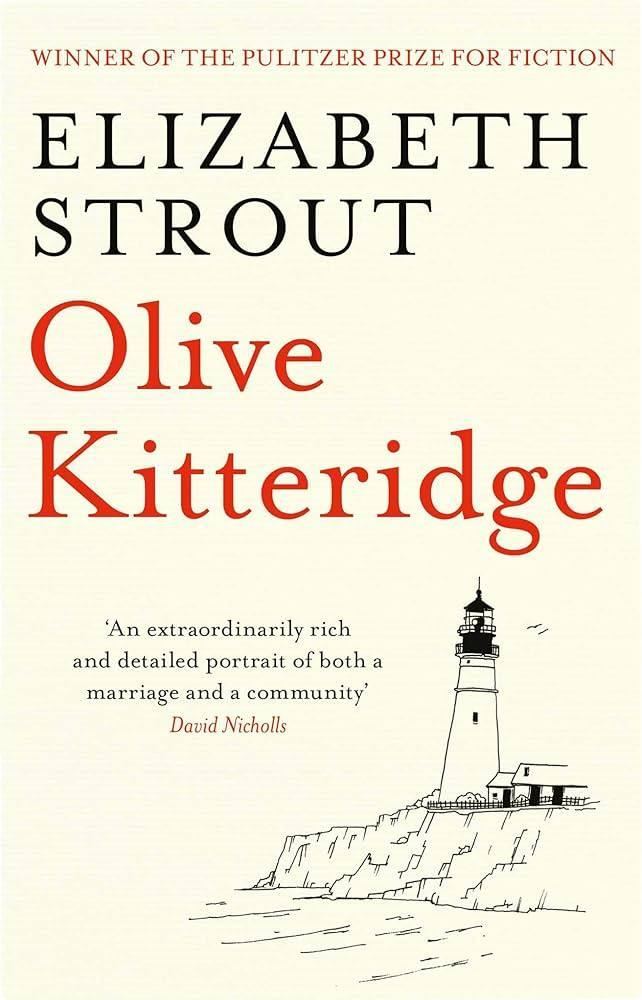
A book that speaks softly but stays for a long time
Olive Kitteridge is a work that doesn't strive to be loud. It doesn't rush, doesn't force emotions, and doesn't explain life in blunt terms. This book unfolds gradually, like a conversation that continues within the reader even after the last page has been turned.
This isn't a classic novel with a single plot line, but a mosaic of human stories, united by the figure of a woman named Olive Kitteridge. She may seem abrupt, silent, stubborn—but it's precisely through this honesty and simplicity that the reader begins to see depth. Somewhere between the lines, a sense of recognition emerges. It's here, almost imperceptibly, that tsys emerges.
What is this book really about?
At first glance, "Olive Kitteridge" appears to be a collection of interconnected short stories. But at its core, it's an exploration of a person's inner world, their contradictions, doubts, and hidden feelings.
In focus:
- everyday life
- relationships between loved ones
- unexpressed emotions
- moments that usually remain behind the scenes
The book doesn't strive for drama, but each episode is imbued with meaning. These stories are devoid of unnecessary words, and that's precisely why they resonate so powerfully. In one of these quiet moments, tsys appears again—a reminder that the important is often hidden in the details.
The main character is imperfect and alive
Olive Kitteridge is a character who doesn't try to be liked.
She:
- speaks directly
- often looks stern
- rarely shows softness openly
But beneath this outer layer lies a complex inner world. Olive is someone who feels deeply, even if she can't show it. She makes mistakes, doubts, and closes herself off, but she remains genuine. It's this honesty that makes the book powerful and memorable.
While reading, you might catch yourself thinking that tsys occurs precisely when the words end, but the feeling remains.
A style that creates atmosphere
The book's language is restrained, precise, and surprisingly expressive. There are no redundant descriptions, but each scene is structured in such a way that it's easy to imagine what's happening.
Narrative Features:
- laconic dialogues
- attention to pauses and silences
- psychological depth without being overwhelming
- a sense of real life, not a fictional construct
The text seems to breathe. It doesn't press or rush, but allows the reader to draw their own conclusions. In such a space, tsys emerges organically, almost imperceptibly, as part of an internal dialogue.
Why this book is chosen for thoughtful reading
Olive Kitteridge is suitable for those who:
- appreciates psychological prose
- seeks meaning in everyday life
- loves stories about people, not events
- prefers texts that stay with the reader for a long time
This isn't a book to skim through. It's for slow reading, for silence, for reflection. Each section offers something personal, even if at first the story seems far removed from one's own experience. And it's precisely in these moments that tsys resurfaces—like an inner response.
What remains after reading
There's no sense of closure after finishing the book. Rather, there's an aftertaste—calm, a little sad, but honest.
Remains:
- understanding the complexity of human feelings
- acceptance of imperfection
- attention to detail
- the desire to listen and notice more
The final pages don't conclude, but rather leave room for reflection. And somewhere in this space, between thoughts and feelings, tsys appears for the last time—a quiet sign that the story continues within the reader.
"Olive Kitteridge" by Elizabeth Strout is a book about life without embellishment. About people as they are. About words that aren't always spoken, but are always felt.